
Jaw Surgery

Introduction
Jaw alignment plays a crucial role in facial balance, speech, and overall dental health. When the upper and lower jaws do not align properly, it can cause difficulties in chewing, speaking, and breathing and even affect appearance. Jaw surgery, also known as orthognathic surgery, is a corrective procedure that repositions the jaws to improve function, aesthetics, and quality of life.
What is jaw surgery?
Jaw surgery is a specialised procedure performed by an oral and maxillofacial surgeon to correct irregularities of the jaw bones. It can reposition the upper jaw, lower jaw, or both, ensuring proper alignment with the teeth and facial structure. The surgery not only enhances appearance but also resolves functional issues.
Who is an Ideal Candidate?
- Individuals with misaligned jaws affecting bite or chewing
- Patients with speech or breathing difficulties caused by jaw position
- Those with facial asymmetry or disproportional jaw size
- People with chronic jaw pain or temporomandibular joint (TMJ) issues
- Individuals whose orthodontic treatment alone cannot correct alignment
Types of Jaw Surgery
- Upper Jaw Surgery (Maxillary Osteotomy): Corrects issues like crossbite, open bite, or receded upper jaw
- Lower Jaw Surgery (Mandibular Osteotomy): Repositions a receded or protruding lower jaw
- Chin Surgery (Genioplasty): Enhances facial balance in combination with jaw correction
- Double Jaw Surgery: Corrects complex cases by repositioning both jaws
Treatment Process – Step by Step
- Consultation & Evaluation: X-rays, 3D scans, and models of the teeth are created.
- Orthodontic Preparation: Braces may be required before surgery to align teeth.
- Surgery: Performed under general anesthesia, with incisions usually inside the mouth.
- Jaw Repositioning: Bones are moved into the correct position and secured with plates and screws.
- Recovery: A hospital stay of 1–3 days may be required, followed by several weeks of healing.
- ⏱ Complete treatment may take 12–24 months, including orthodontic care.
After Treatment Instructions
- Follow a soft or liquid diet as recommended during recovery
- Maintain good oral hygiene to prevent infection
- Avoid strenuous activities until cleared by the surgeon
- Attend follow-up visits for monitoring and adjustments
- Be patient with swelling and gradual improvement in function
Benefits of Jaw Surgery
- Improved bite and chewing ability
- Enhanced facial balance and appearance
- Correction of speech and breathing difficulties
- Relief from chronic jaw pain or TMJ issues
- Long-term stability and improved dental health
- Boost in confidence and quality of life
Why Choose Jaw Surgery
- Performed by experienced oral and maxillofacial surgeons
- Advanced diagnostic tools for precise planning
- Combination of orthodontics and surgery for comprehensive results
- Life-changing improvements in both function and aesthetics
- Safe, effective, and customised treatment approach
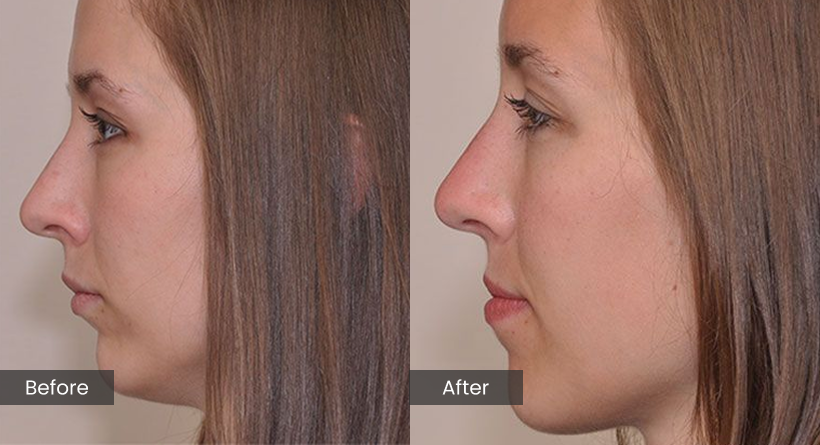
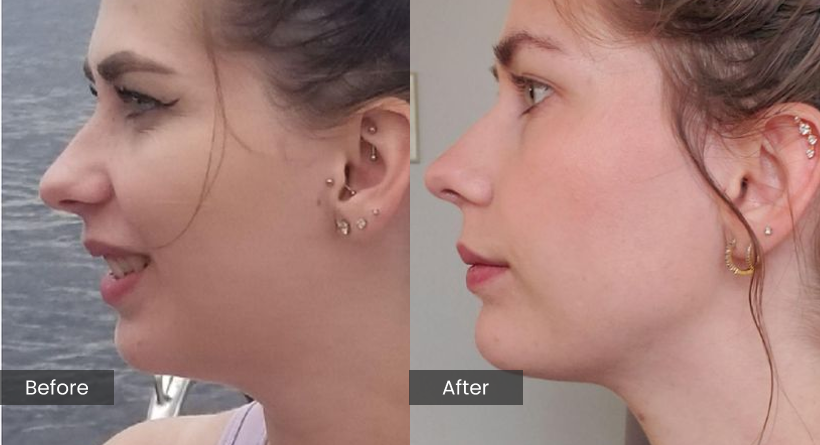
BOOK AN APPOINTMENT
The procedure is done under general anaesthesia, so there is no pain during surgery. Some swelling and discomfort are expected during recovery, which can be managed with medication.
Initial recovery takes 2–6 weeks, but complete healing and final results may take several months.
Yes, it often enhances facial balance and profile, but the main goal is to improve function.
In some cases, repositioning the jaw can improve airway space and help with sleep apnea.
Yes, orthodontic treatment is often required before and after surgery for proper alignment.
Yes, once healed, results are long-lasting and stable.